About Us
With more than four decades of proven success in quality roofingservices, Shelder Roofing and Retro-Fit group is a family-owned &operated business serving.
Read MoreContact Info
- 132 E 2nd N St, Summerville, SC 29483
- (843) 331-5850
- [email protected]
Protecting your family, in our Hometown, for a LIFETIME!
roofer in Ridgeville, SC
 843-331-5850
Have you ever taken a second to really think about how important your home's roof is to your health and safety? It's so much more than a simple hat for your house. It protects you from the elements like rain, sleet, snow, and wind. It helps keep you and your family warm in the winter and cool in the summer. Those harmful pests and critters you see roaming around your property? Your roof helps keep them away from your family, too.
When you take those points into account, it becomes clear that your home's roof is crucial for year-round well-being and comfort. So, when your roof is nearing the end of its life, or it needs maintenance or repairs, hiring a reliable roofer in Ridgeville, SC is an investment you shouldn't pass up. For South Carolina homeowners and business owners, only the best and brightest roofing experts will do when it comes to their family's happiness and safety. That's why they call on Hometown Roofing to handle all their repair, replacement, and maintenance needs.
Contact Us Now
Free Estimate
The Hometown Roofing Difference

Hometown Roofing has been the top choice for roofing services in South Carolina for years. As locals of the Lowcountry, we pride ourselves on being more than just a roofing company. We're your friends and neighbors. As a family-owned business, integrity, hard work, and personalized service are at the forefront of our values. We believe in providing our loyal customers with the highest quality work completed by experts in their respective fields. Why? Because that's the way we would want to be treated, too.
At the end of the day, we strive to treat our customers with respect, confidence, and understanding. Our goal isn't to rip you off or charge you an arm and a leg for our residential or commercial roofing services. As an Owens Corning Preferred Contractor, our goal is to work hard and provide you with a long-lasting product that you will love for years to come. It's really that simple. When you choose Hometown Roofing, you can rest assured that you'll get the highest quality roofing services in South Carolina, such as:
- Roof Repair in Ridgeville, SC
- Roof Replacement Services
- Roof Maintenance Services
- Emergency Roofing Services
- Roof Inspection Services
- Commercial Roofing Services
The Hometown Roofing Process
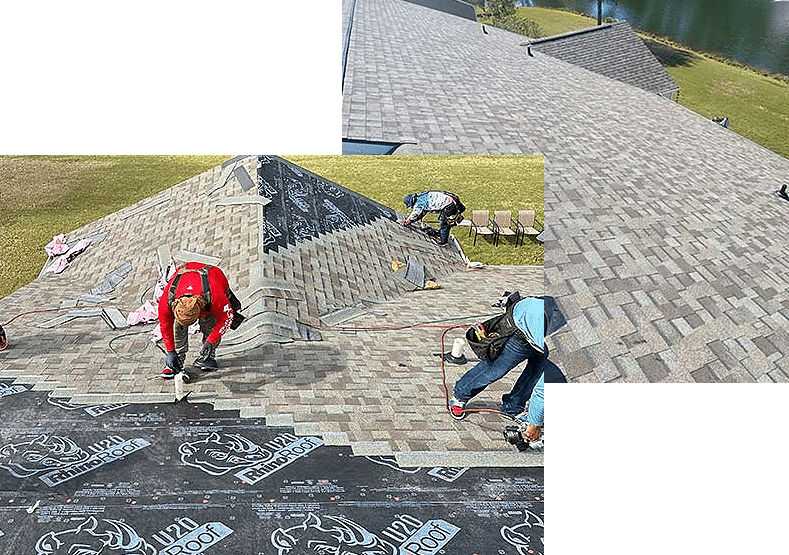
Whether you're in need of a complete roof replacement in Ridgeville, SC, or minor roof maintenance, our process starts with an in-depth consultation and ends with a smile on our face.

Consultation
At the consultation stage, we have a meeting with the client to talk about their roofing needs and evaluate the property. Based on our expertise, we provide recommendations to ensure the best solution for the client's specific roof replacement, repair, or maintenance requirements.

Detailed Proposal
In the detailed proposal stage, we create a comprehensive document that outlines the scope of work relating to your roofing project, the materials to be used, project timeline, and estimated costs. This provides the client with a clear understanding of the roofing project, enabling them to make informed decisions.

Project Installation
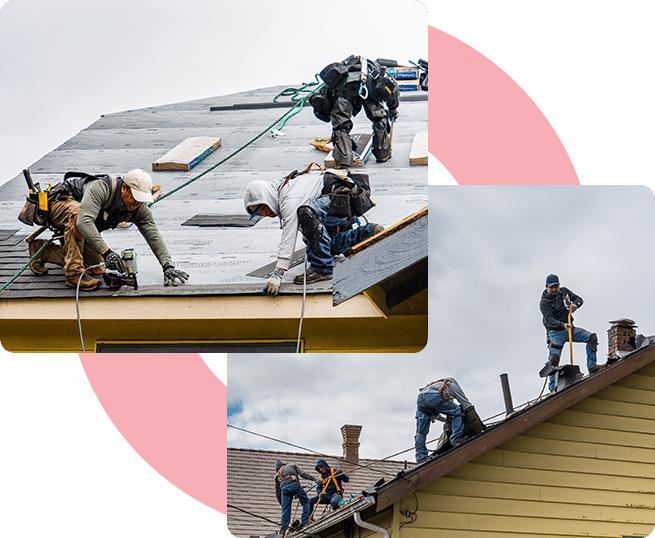
During the project installation phase, our team of licensed experts executes the previously agreed-upon plan. We install or repair the roofing system with unmatched confidence and experience while always adhering to industry standards, safety protocols, and local laws. During this process, we strive to stay in touch every step of the way so our clients are always in the loop. We then complete your roofing project within the specified timeline so that clients experience minimal disruptions to their daily lives.

Final Inspection
When it's time for the final inspection of your roofing project, our roofing contractor's work is thoroughly examined to ensure it meets our high standards and our client's roofing needs. If there is additional work to be done, we'll finish up the project ASAP. If our client has questions or concerns, we always address them before heading home. That way, our customers can rest easy at night knowing they have a reliable, well-maintained roof over their heads.
Protect Your Home or Business with Roof Repair in Ridgeville, SC

Living in South Carolina means experiencing unpredictable weather patterns. Bright and sunny skies can quickly turn into heavy rainfall, which can cause damage to your roof. That's why it's important to have a reliable roofing company to perform expert repairs when needed.
Whether you suspect damage has been done to your roof or you want preventative maintenance, Hometown Roofing is here to handle the hard work for you. A thorough roof inspection is the first step in understanding your repair needs. Our team will then repair any damage, like weather-worn shingles or roof leaks, to ensure your family is safe and protected.
Some of the most common roof repairs we provide for homeowners and business owners include the following:
- Torn or Damaged Shingle Repair and Replacement
- Tile or Shingle Replacement
- Roof Shrinkage Issues
- Roofing Leaks
- Ventilation Issues
- Pooling or Standing Water
- Storm Damage Repair
- Damaged Gutter Repair
- Roof Flashing Repair
- Much More
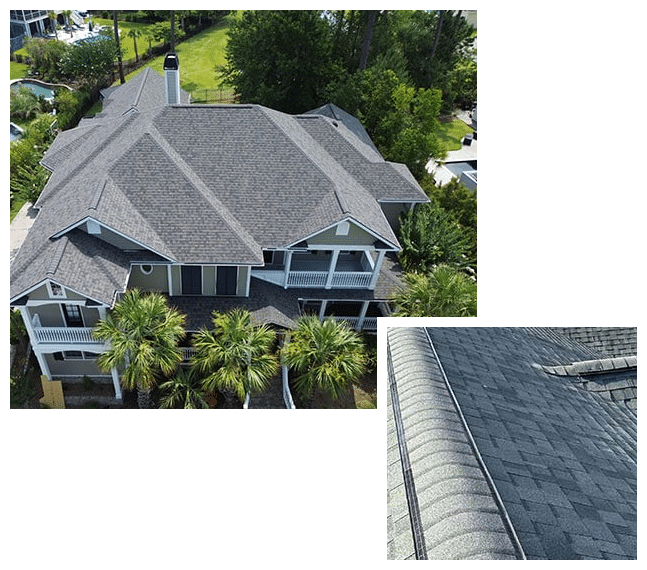
Don't wait until it's too late to schedule repairs - your roof might only be one or two South Carolina storms away from needing more than simple maintenance or repairs! South Carolina homeowners and entrepreneurs trust Hometown Roofing for their roof repairs because we:
Prioritize Safety
We put a lot of stock in the ethos of "Safety first before everything." As licensed contractors with years of experience, our roofers have the tools and training to repair your roof without you needing to worry about their safety. Of course, your safety is of utmost importance, too. Hiring an experienced professional saves you from putting yourself and your family in a compromising situation that could involve hospitals, doctors, and injuries.
Because the truth is, roof repairs usually require climbing ladders, balancing on high roofs, and working under pressure. Those aren't things an average homeowner looks forward to. By working with Hometown Roofing, you're leaving the difficult work up to highly trained experts, so you can focus on your family, not recovering from an injury sustained from DIY roofing.
Have Extensive Roofing Experience
You can tell whether a roofer is worth hiring by asking them about their roofing experience. The very best roofers usually have years, if not decades, of professional experience. Those years working up on roofs out in the sun is priceless for homeowners and business owners who want the best roofing service. At Hometown Roofing, our contractors have extensive knowledge and experience, both in advanced applications and basic roof repair theory. Unlike some roofers, Hometown Roofing team members have real-world experience and certifications - something that no amount of reading or watching YouTube videos will provide.
Maintain Warranties on Roofing Products
As a homeowner or business owner, you want every assurance that your new roof or roofing products will last for the long haul. That's why we're proud to provide a 50-year manufacturer warranty and a 20-year labor warranty on all new asphalt architectural shingle roofs. We also provide a 20-year labor warranty on all new standing seam metal roofs and a 10-year labor warranty on new tuff-rib metal roofs.
Provide High-Quality Roofing Craftsmanship
Our team at Hometown Roofing is dedicated to delivering exceptional roof repairs and top-notch service. We take pride in our work and strive for excellence when repairing, replacing, or installing roofs in South Carolina. We understand that even the smallest details matter, which is why we thoroughly inspect our work to ensure the highest quality. Our main objective is to surpass your expectations with true roofing expertise, not just average service. For long-lasting roof repairs, trust the professionals at Hometown Roofing.
Reliable Roof Replacement in Ridgeville, SC
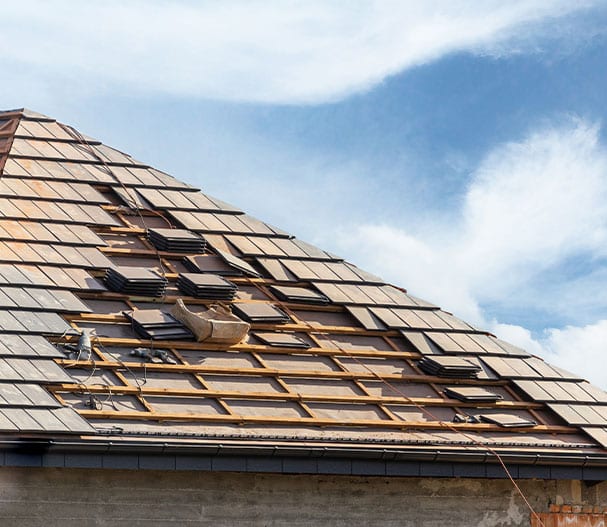
When it comes to getting a new roof for your home, you want to make sure it's done right. That's why you need licensed professionals to handle the complex and intensive process. It may seem like a big investment, but the long-term benefits are worth it. You'll enjoy increased safety, comfort, and a higher home value. At Hometown Roofing, we're the go-to company for roof installations in South Carolina.
Our experts have completed hundreds of successful projects, and we hold ourselves to the highest standards for product longevity, customer satisfaction, and quality craftsmanship. Whether you're looking to upgrade your roof or need a replacement due to damage, we've got you covered. We specialize in many types of roof replacement projects, including:
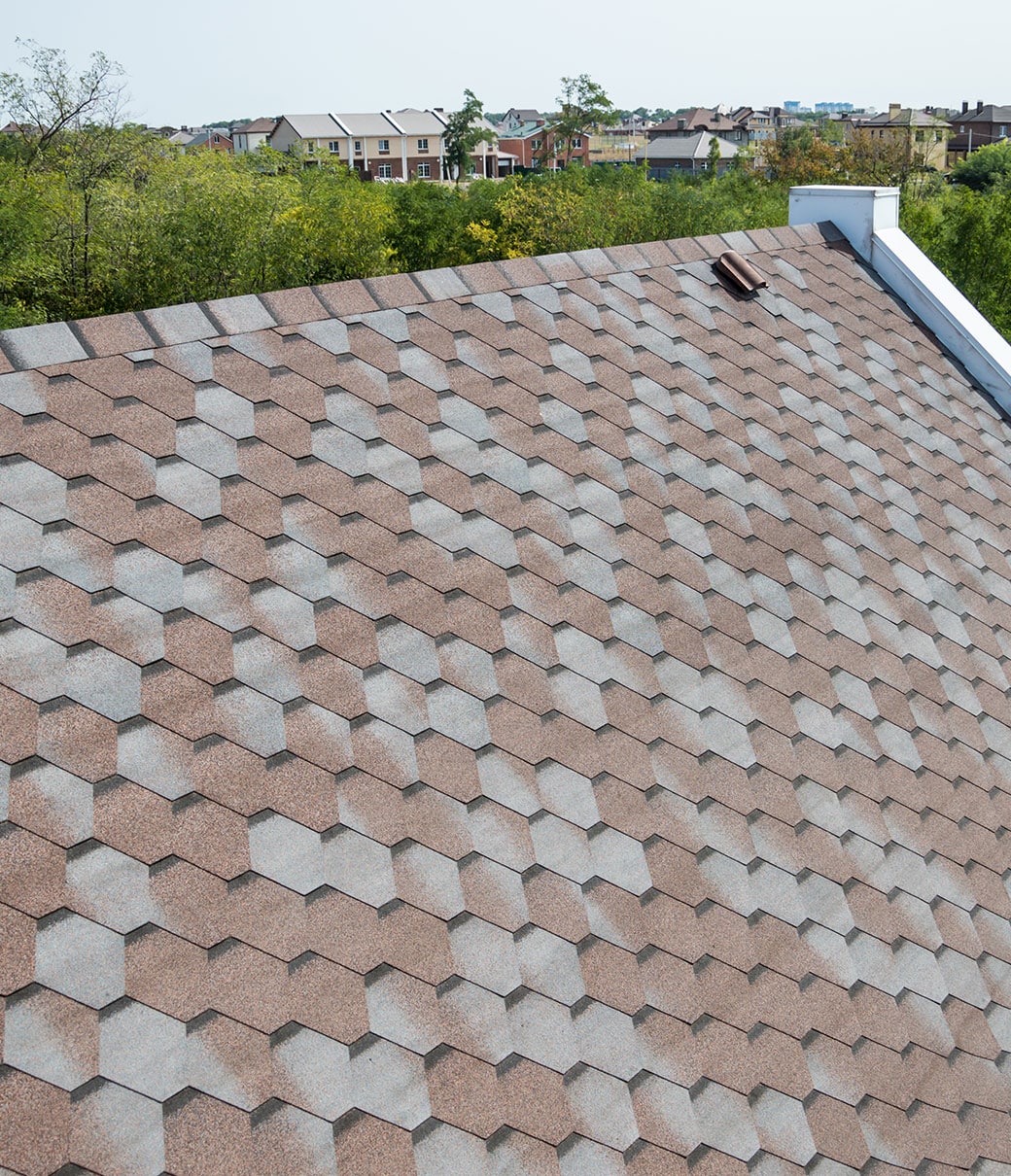
- Asphalt Roofs - Cost Effective, Popular, Versatile, and Appealing
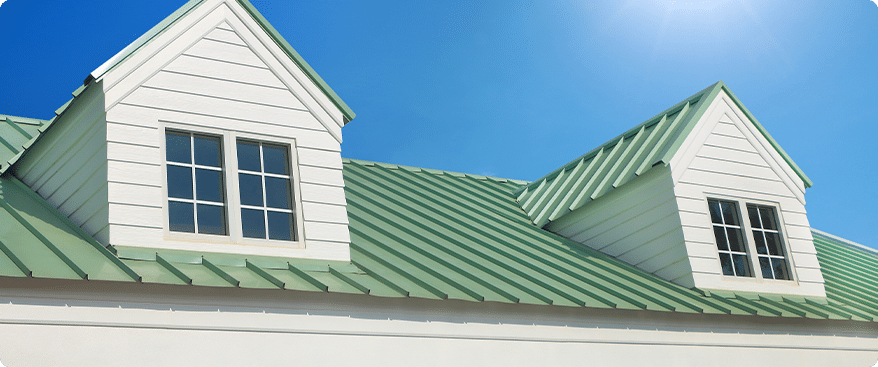
- Metal Roofs - Long Lasting, Low Maintenance, Energy Efficient, Superior Protection
- Commercial Flat Top and TPO Roofs - Durable, Energy Efficient, UV and Chemical Resistant, Purpose Built for Your Business
When Is It Time to Replace Your Roof?
At Hometown Roofing, one of the most common questions we get is, "How do I know when it's time to replace my roof?" That's not always an easy question to answer since every roofing structure and every roof replacement scenario is slightly different. Roofs endure harsh weather conditions like extreme heat, strong winds, freezing temperatures, and heavy rainfall, which can damage their protective layers. Although some roofs can last up to 25 years, shingles and other materials may deteriorate over time and become brittle, crack, tear, or disintegrate. While it can be challenging to assess the condition of your roof from the ground, these signs may help you determine when it's time for roof replacement in Ridgeville, SC.
Begin Looking Indoors
It might seem counterintuitive to look for signs of disrepair inside your home, but rooms like your attic can show signs of damage much better than outside areas. Be sure to grab a powerful flashlight first and look carefully for streaks, stains, and drips. Also, keep an eye out for light beams poking through the top of your house. If you see these signs, there's a good chance your roof has leaks and should be replaced.
Cupped, Clawed, or Curled Shingles
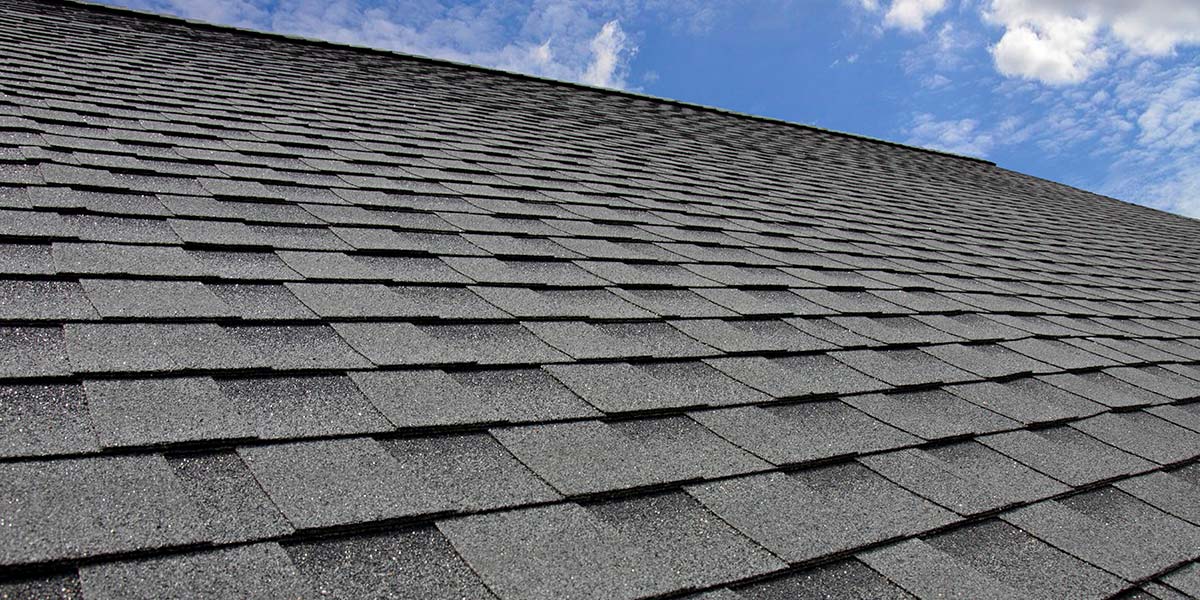
You'll need a good view of your roof to check for these red flags, which are telltale signs that your roof is near the end of its life. Curling and cupping look alike and manifest with the ends of your shingles peeling away and pointing up. Clawing happens when the middle of a shingle lifts up while its ends stay attached to the roof. None of these conditions are good, so if you spot them, know that it could be time for a roof inspection.
Age of Your Roof
How old is your roof? If it's more than 25 years old, chances are it's on its way out. The average lifespan of an asphalt roof is 20-25 years. When that time frame passes, you should consider looking at replacing your worn-out roof.
Friends in Your Neighborhood are Replacing Roofs
If you're driving around your neighborhood and notice one or more roofers in Ridgeville, SC, make a mental note to inspect your roof. It's common for houses in neighborhoods to be constructed at the same time, with the same materials purchased in bulk by the builder. As a result, the roofs of these homes tend to deteriorate at a similar rate. With that in mind, if you observe your neighbors replacing their roofs, it may be a sign that you should consider doing the same.
Your Roof is Sagging
A sagging roof is a sign of structural problems and may require a new roof installation. This problem is typically caused by water damage or a broken rafter, and it's important to have a licensed and insured roofing company, like Hometown Roofing, address the issue. To properly diagnose the problem, the contractor may need to remove the shingles and plywood sheathing underneath.
Emergency Roof Repair in Ridgeville, SC
Hometown Roofing is available to assist when disaster strikes. We recognize that roofing emergencies can occur at any time, so we provide 24/7 emergency roofing services to homeowners in our community. Here is an overview of the critical emergency services we offer:

Available 24/7
When you're in a roofing emergency, Hometown Roofing is always here to help. Our expert team is available 24/7 to respond quickly and professionally to any crisis. We understand that your home's safety is your top priority, and we're committed to mitigating damage and providing peace of mind during difficult times.

Help with Insurance Claims
Dealing with insurance claims can be overwhelming, especially after a disaster. That's why Hometown Roofing offers assistance navigating the complicated process of working with your insurance company. We'll help you document the damage and submit the necessary paperwork to your insurance provider, ensuring a smoother and more successful claim.

Emergency Roof Tarping
If your roof has suffered severe damage and can't be repaired immediately, our emergency tarping service can provide temporary protection from further harm. This solution will safeguard your home from the elements until repairs can be made. Trust Hometown Roofing to keep your home safe and secure in any roofing emergency.

Storm Damage Repair
When severe weather hits, your roof can take a beating. From losing shingles to damaging the structure, it can leave your home vulnerable. That's where Hometown Roofing comes in. We offer quick and reliable storm damage repair services to ensure your roof is safe and secure once again.

Stabilize Your Home's Structure
If your roof has been severely damaged by a fallen tree or other catastrophic event, call Hometown Roofing ASAP. Our team is here to help. We'll stabilize your roof, preventing any potential collapse or further damage, helping provide peace of mind and comfort in a trying time.

Remove Debris
After a storm, your roof can be covered in debris that may cause additional damage if left unattended. Our experienced professionals are equipped to safely remove any debris, ultimately preserving the lifespan of your roof.

Temporary Roof Repair in Ridgeville, SC
Sometimes, extensive repairs to your roof can't be completed immediately after an emergency. Our team of roofing experts can provide a temporary fix so that your home is safe, dry, and protected from more damage.

Repairs for Emergency Leaks
When your roof sprouts a leak suddenly, it can be catastrophic. Hometown Roofing professionals will locate the source of your leak and provide a quick, effective solution to your problem.

Emergency Roof Inspections
When a severe weather event or other emergency incident occurs, you may need a roof inspection to assess the totality of your damage. Hometown Roofing inspections identify needed repairs. That way, you plan for the next steps and do what's necessary to protect your roof and your family.
Hometown Roofing: South Carolina's Premier Choice for Quality Roofing Services
Hometown Roofing was born out of a rich legacy and a steadfast commitment to quality. Unlike many roofing companies in South Carolina, we stand by the ethos of doing everything right and never cutting corners. We extend that commitment to your home, whether you need minor roof repairs, a total roof replacement, or something in between. Contact our office to schedule your initial consultation today.
Any Questions?
132 E 2nd N St, Summerville, SC 29483
Latest News in Ridgeville, SC
Disclaimer: